
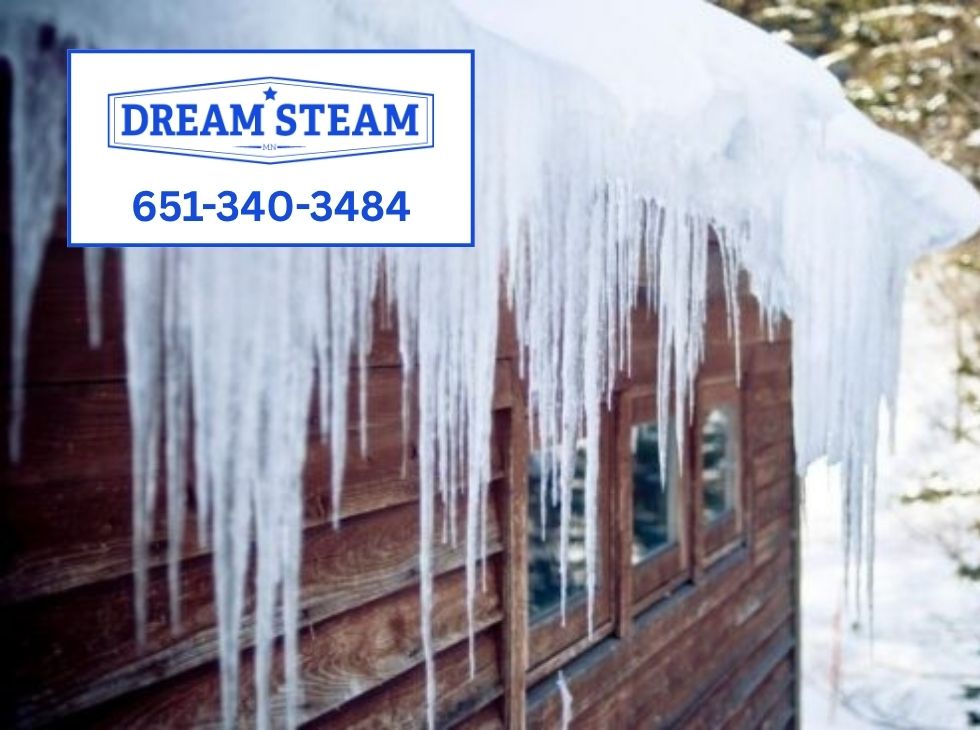
Minnesota homeowners know that winter can change quickly. One week may bring light snow and moderate temperatures, while the next delivers heavy accumulation, bitter cold, and ice hanging from the edge of the roof. By the time a large ice dam becomes obvious, water may already be backing up behind it and threatening shingles, ceilings, insulation, and interior walls.
That is why one of the most important questions Minnesota homeowners can ask is not simply, “How do I remove an ice dam?” but “When should I start looking for an ice dam remover?”
The answer is earlier than many homeowners think.
At Dream Steam MN, we know Minnesota winters can create unique challenges for homes throughout the Twin Cities. Understanding when ice dams form, what warning signs to watch for, and when to contact a professional can help you avoid turning a manageable winter maintenance problem into an expensive emergency.
The Best Time to Research an Ice Dam Removal Company Is Before You Need One
If your home has experienced ice dams in the past, late fall is an ideal time to begin researching ice dam removal companies in Minnesota. You do not necessarily need someone at your house before the first snowflake falls. What you want is to know who you will call if ice begins building along the roofline.
Once Minnesota receives a major snowstorm followed by the right combination of cold temperatures and heat escaping from homes, professional ice dam removal companies can become extremely busy. Homeowners who wait until water is dripping through a ceiling may find themselves calling multiple contractors during one of the busiest periods of the winter.
Researching companies ahead of time lets you compare removal methods, reviews, service areas, insurance, availability, and pricing without making a rushed decision.
Why Ice Dams Form on Minnesota Roofs
Ice dams are often misunderstood. They are not simply giant icicles hanging from the gutters. Ice dams typically begin when heat from the living area escapes into the attic and warms portions of the roof. Snow touching the warmer roof surface begins to melt. That water travels down toward the colder roof edge and eaves, where it freezes again.
As this process repeats, a ridge of ice can form near the edge of the roof. Additional melting snow then becomes trapped behind the ice. Because shingles are designed primarily to shed water downward, water sitting behind an ice dam may eventually work underneath roofing materials and enter the home.
When Does Ice Dam Season Begin in Minnesota?
There is no single date when ice dams suddenly appear across Minnesota. Weather conditions matter more than the calendar. However, homeowners should begin paying close attention once snow begins accumulating on the roof and Minnesota enters its sustained winter freeze-and-thaw cycle.
A particularly important combination is:
- Snow accumulation on the roof
- Warm areas beneath the roof caused by heat escaping from the home
- Cold roof edges and outdoor temperatures
- Periods of melting followed by refreezing
Because these conditions can develop relatively early in a Minnesota winter, homeowners with a history of ice-dam problems should not wait until January or February to start thinking about removal.
October and November Are Good Months to Prepare
For many homeowners, October and November are practical months to begin winter preparation. Use that time to inspect your attic, review insulation and air-sealing concerns, clean up fall maintenance projects, and identify reputable companies offering professional ice dam removal in Minnesota.
If you already know that a particular section of your roof develops ice dams year after year, preparing early becomes even more important. You can save the phone number of a qualified company and ask questions about their process before an emergency occurs.
Do Not Wait for Water to Enter Your Home
One of the biggest mistakes homeowners make is waiting until an ice dam causes an active leak. An interior leak means water has already found a pathway beneath or around roofing materials.
Watch for earlier warning signs such as:
- Thick ridges of ice forming along the roof edge
- Large icicles appearing repeatedly in the same areas
- Ice building inside or directly above gutters
- Snow melting unevenly across the roof
- Water staining near exterior walls or ceilings
- Damp insulation in the attic
- Peeling paint near ceilings or upper walls
- Previous ice-dam problems in the same roof area
If ice is continuing to build, contacting a professional earlier may help reduce the chance of water backing up beneath shingles.
Why Professional Ice Dam Removal Is Better Than Waiting
Ice does not become easier to remove simply because you wait. A small developing ice dam may become a thick, heavy ridge after repeated melting and freezing. The larger the ice dam becomes, the more water it may trap behind it.
Professional removal can help open drainage paths and eliminate accumulated ice before it contributes to additional roof or interior damage. Minnesota homeowners should look for contractors who understand proper steam ice dam removal techniques rather than companies relying on aggressive mechanical methods.
Why Steam Is an Important Question to Ask
When interviewing an ice dam removal contractor, ask exactly how the ice will be removed. Professional steam equipment is commonly used because controlled steam can melt and cut through ice without requiring aggressive chopping against the roof surface.
A reputable contractor should be willing to explain:
- What equipment they use
- How they protect shingles and gutters
- Whether technicians are insured
- How pricing is calculated
- What areas of the roof will be treated
- Whether roof snow removal is recommended
Do not simply hire the first person who says they can break the ice away.
Heavy Snowfall Is a Good Time to Start Watching the Roof
A large snowfall does not automatically mean an ice dam will develop. However, snow on the roof provides the material needed for the melt-and-refreeze cycle. After a significant Minnesota snowstorm, occasionally inspect your roof from the ground.
Look at areas above exterior walls, valleys, lower rooflines, and places where one roof section meets another. Uneven melting can sometimes provide clues about heat escaping into the attic. Never climb onto a snow-covered roof simply to inspect it. Winter roof surfaces can be extremely dangerous.
If Your Home Had Ice Dams Last Year, Start Earlier This Year
A home with a history of ice dams deserves extra attention. If ice repeatedly forms in the same location, there may be an underlying heat-loss or air-sealing problem that has not been corrected.
Ice dam removal addresses the immediate ice buildup, but preventing future problems may require attic air sealing and insulation improvements. A home-energy assessment can help identify areas where warm indoor air is leaking into the attic.
How Early Should You Call an Ice Dam Remover?
There are two different answers depending on what you mean by “call.”
Research your contractor before winter. Ideally, identify one or two professional ice dam removal companies before heavy snow and ice arrive.
Schedule removal once meaningful ice buildup begins. If you see a substantial ice ridge developing or signs that water is being trapped, you do not need to wait until water enters your home. If water is already leaking through ceilings or walls, treat the situation as urgent and contact a professional promptly.
Prepare Before Minnesota Winter Is at Its Worst
Ice dams are easier to deal with when you have a plan. Before winter is in full swing, know what your roof normally looks like, understand which areas have developed ice in the past, and identify a reputable Minnesota ice dam removal company.
The ideal time to search is when you have time to ask questions—not when water is dripping from the ceiling. Dream Steam MN encourages Twin Cities homeowners to stay proactive about winter home maintenance. Minnesota weather can be tough on a home, but a little preparation before the snow piles up can help you respond quickly when winter problems appear.